Decompressing After Adoption: A Guide for Long-Term Rescue Pets
Disclaimer: Caring About Paws is a participant in the Amazon Services LLC Associates Program, an affiliate advertising program designed to provide a means for sites to earn advertising fees by advertising and linking to Amazon.co.uk. As always, please consult with your veterinarian before introducing new chews or treats to your dog’s diet.
While rescue centres do incredible work, the reality of long-term kennel life—whether for a dog in a kennel or a cat in a cattery—can be incredibly taxing. While some animals are naturally resilient, many develop kennel stress that can lead to lasting behavioural changes.
As a pet professional, I see first-hand how these environments impact our furry friends. Understanding these challenges is the first step in helping them transition successfully into their forever homes.
Help me help those in rescue by donating to my Rescue Pledge.
The Behavioural Impact of Long-Term Rescue Stays on Cats and Dogs

When a pet is kennelled for an extended period, the lack of a normal routine and high-stress environment can cause several shifts in behaviour:
Stereotypic Repetitive Behaviours: This is often seen in both species—dogs may pace or jump incessantly, while cats may over-groom (psychogenic alopecia) or obsessively circle. Without intervention, these habits can persist even after they leave the rescue.
Barrier Reactivity & Guarding: Dogs often become protective of their kennel space, barking or lunging at the gate but remaining friendly face-to-face. Cats may become closet hitters, hissing or swiping from the safety of their cubby because they feel cornered.
Social Regression: Without consistent, varied social interaction, pets can forget how to meet new people. They may bond deeply with familiar rescue staff but act fearfully or aggressively toward strangers.
Institutionalisation: Some animals become so accustomed to the loud, predictable routine of a rescue that a quiet home actually feels scary. This is why some pets seem shut down during their first few weeks in a new house.
How We Can Support Them
Whether you are a rescue worker or a foster carer, there are ways to mitigate this stress:
Mental Enrichment: For dogs, this means food puzzles and "sniffari" walks. For cats, it’s about vertical space (shelves and trees) and cat TV (watching birds or interactive play).
Strategic Environment: Reducing traffic past the enclosures of the most stressed animals can lower cortisol levels significantly.
Focused Training: Consistent, positive-reinforcement training helps pets build confidence and gives them the mental work they crave.
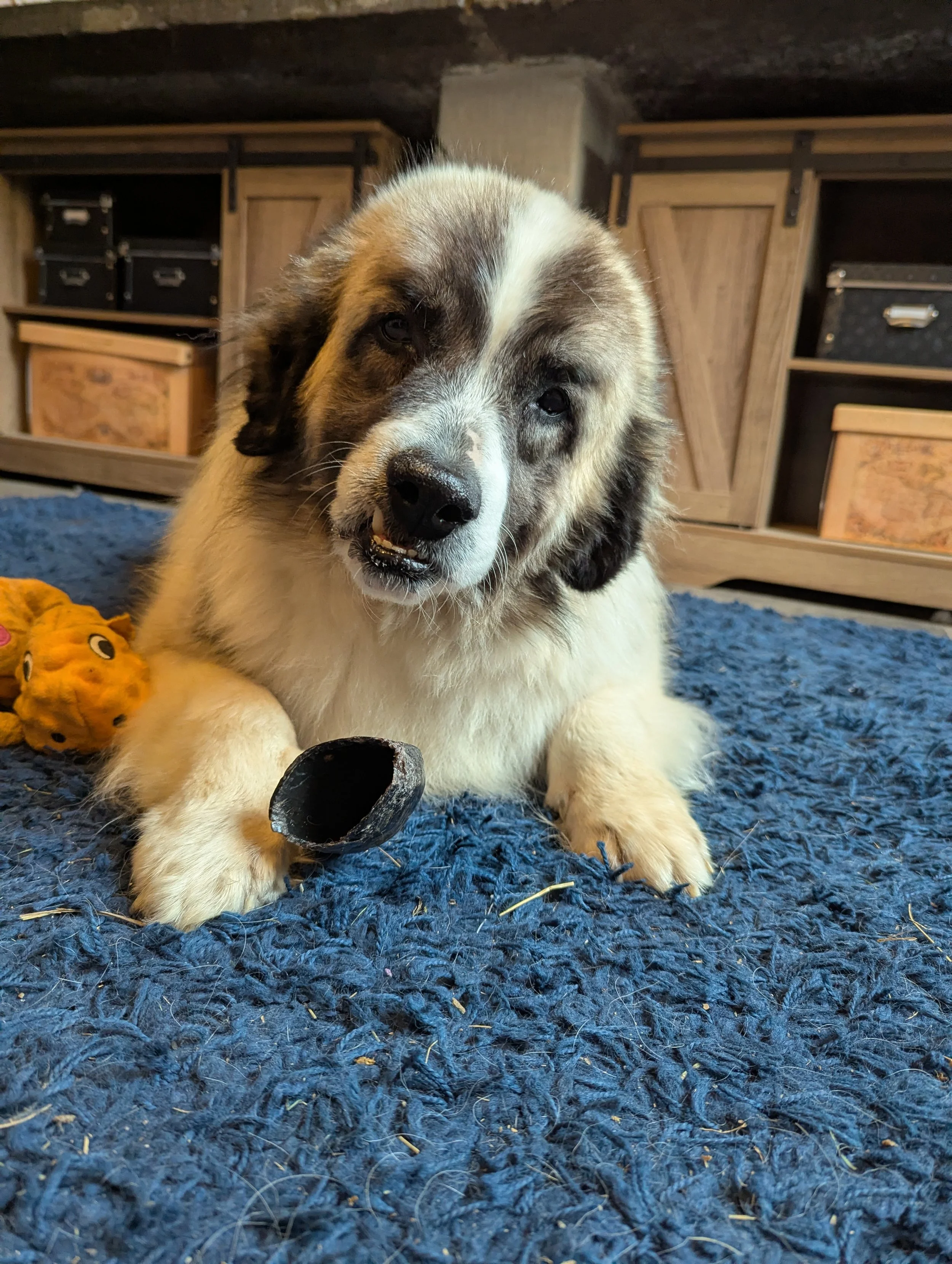

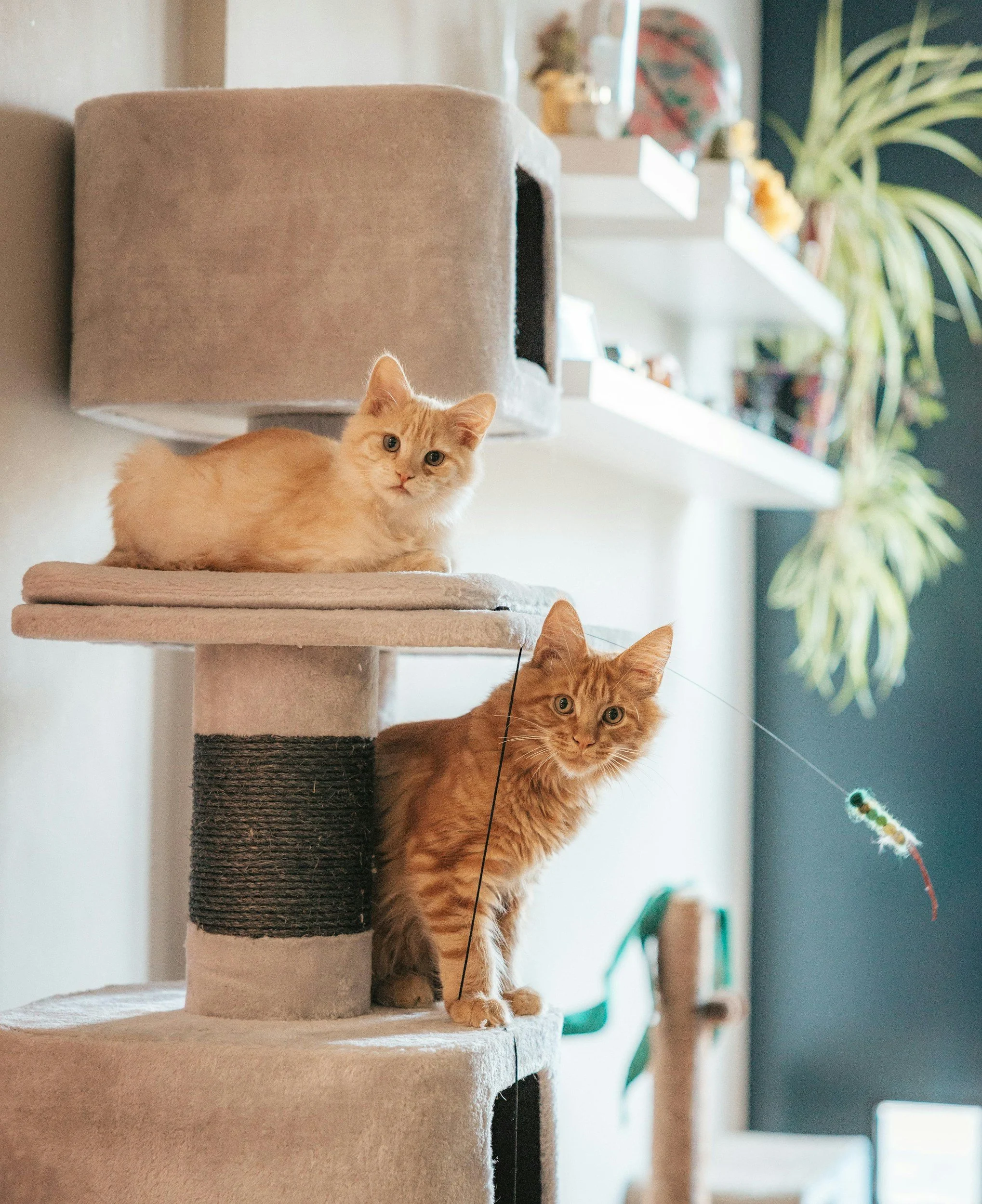
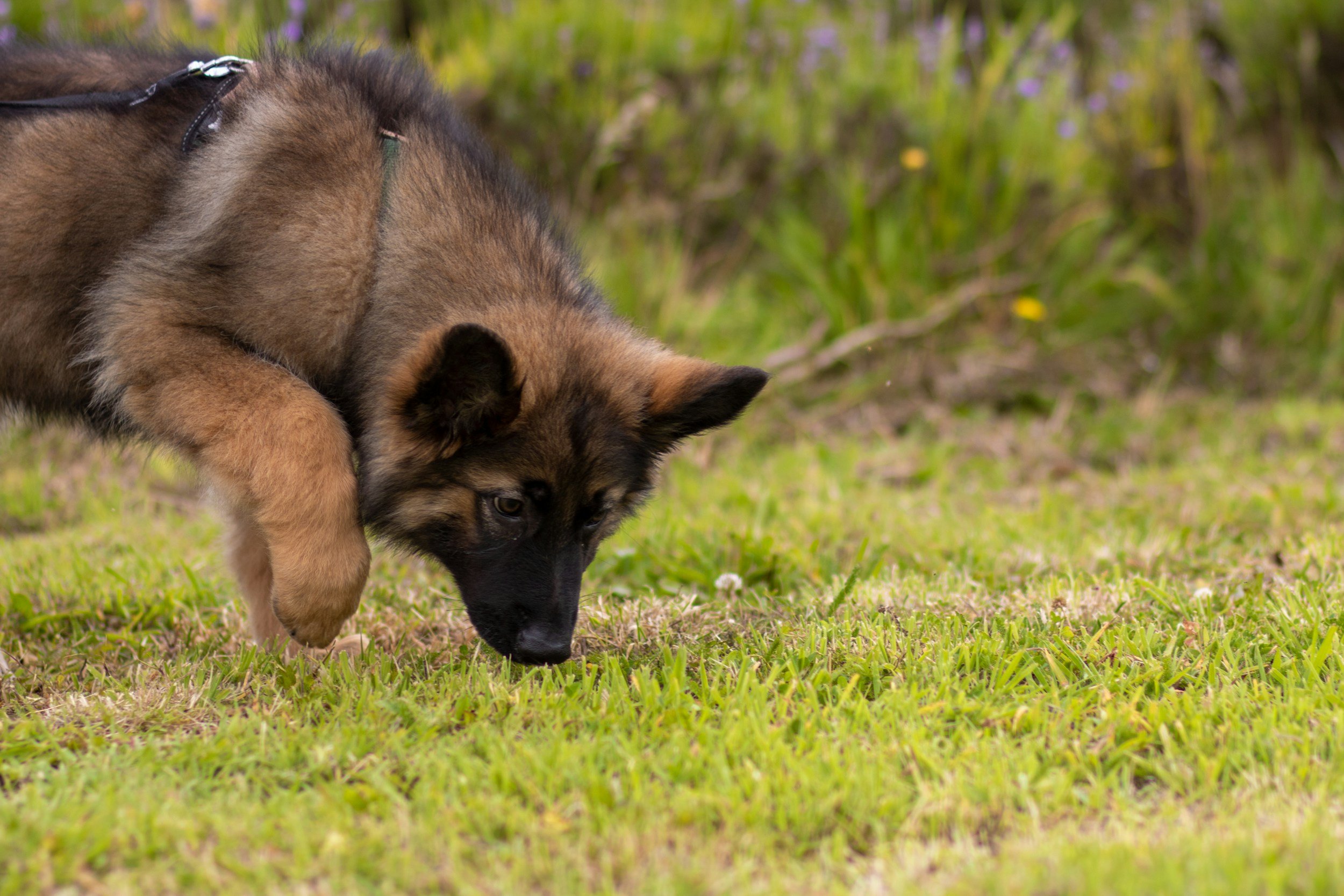
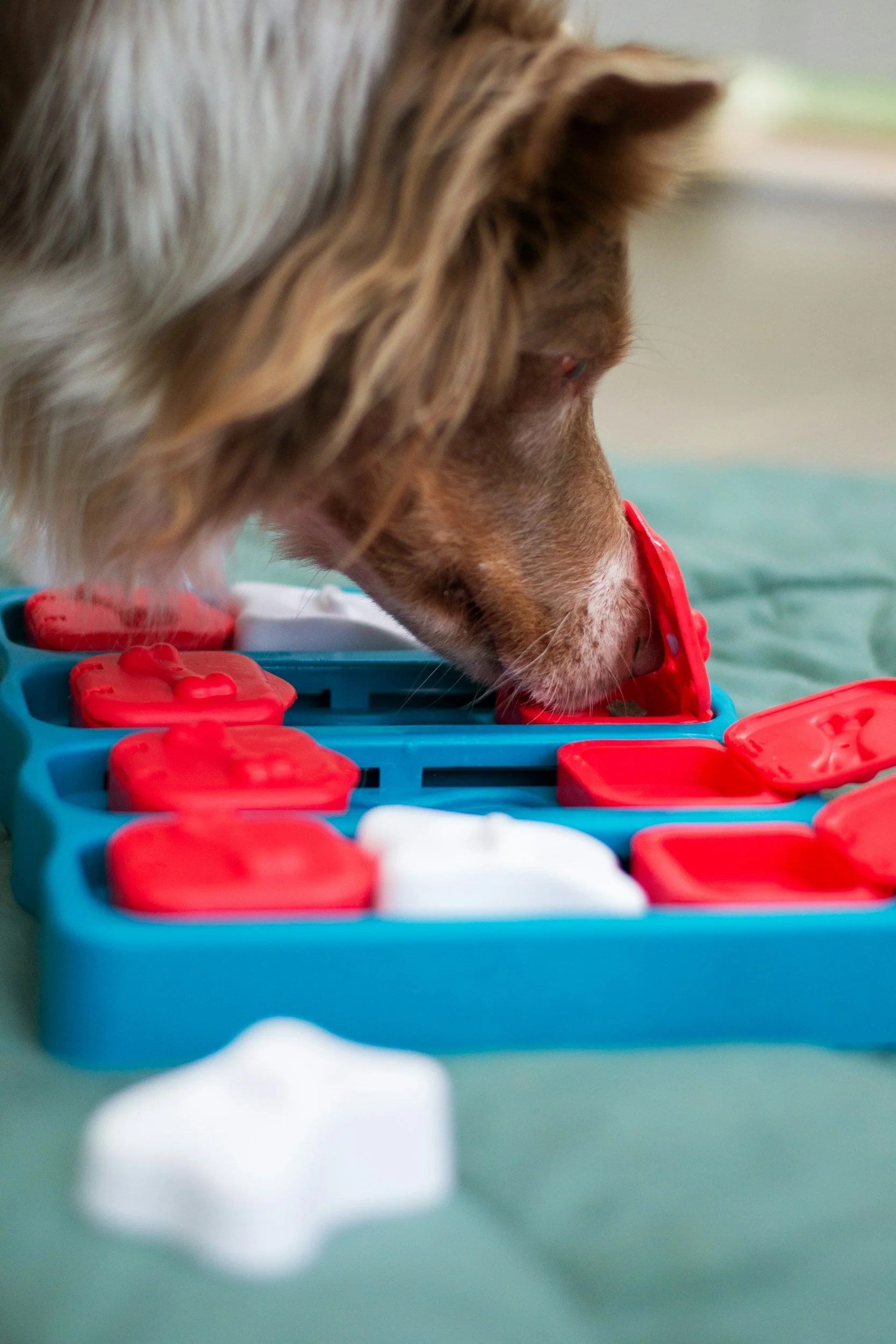
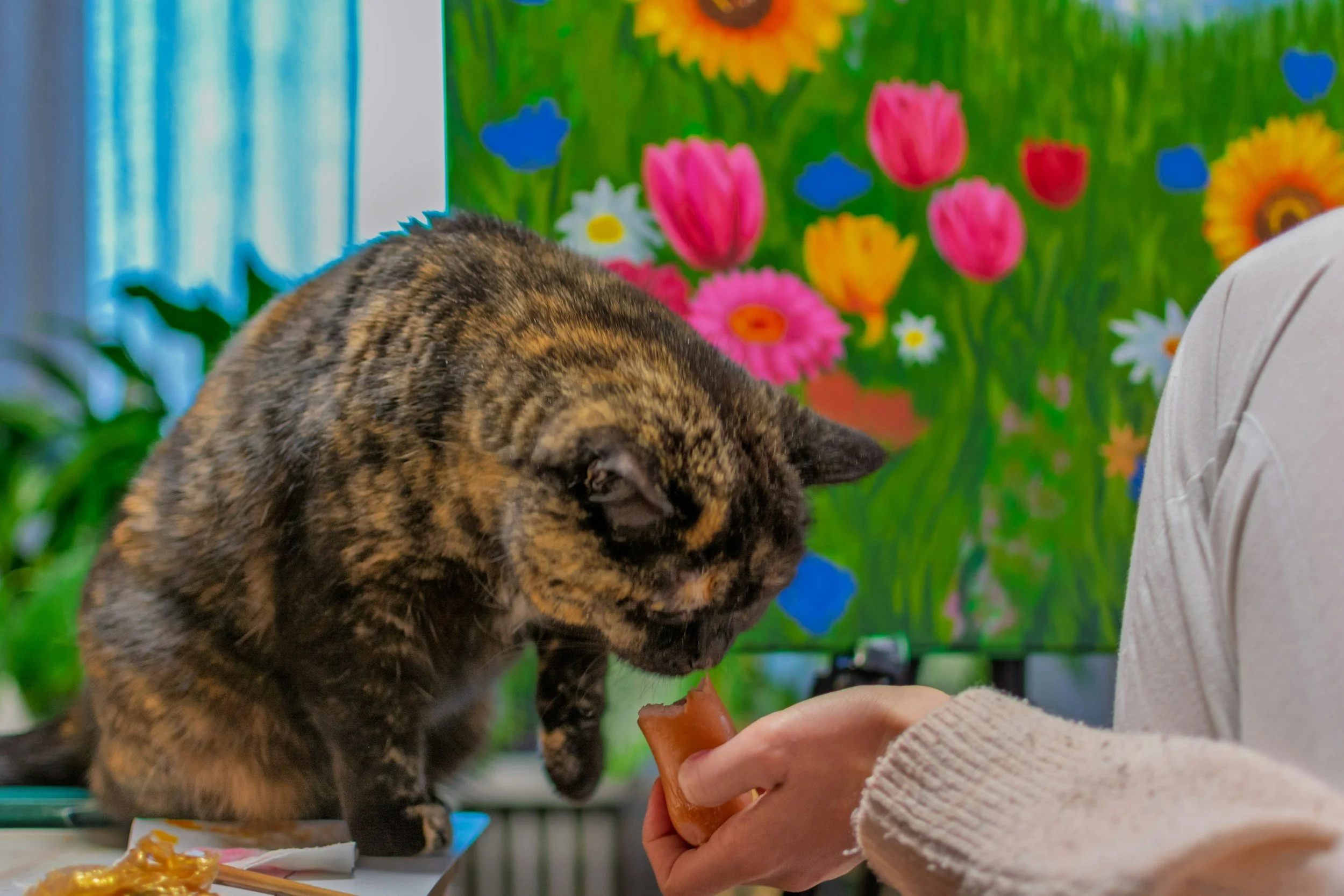
Enrichment I love and most dogs/cats don’t find super difficult either, bonus, they can be frozen to make the enrichment last longer:
| Silicone Lick Mat - Buy Here | Silicone Snuffle Mat - Buy Here | Kong - Buy Here |
This post contains affiliate links. If you make a purchase through these links, I may earn a small commission at no extra cost to you. I only recommend products I genuinely use and love!
The Transition Home: What to Expect
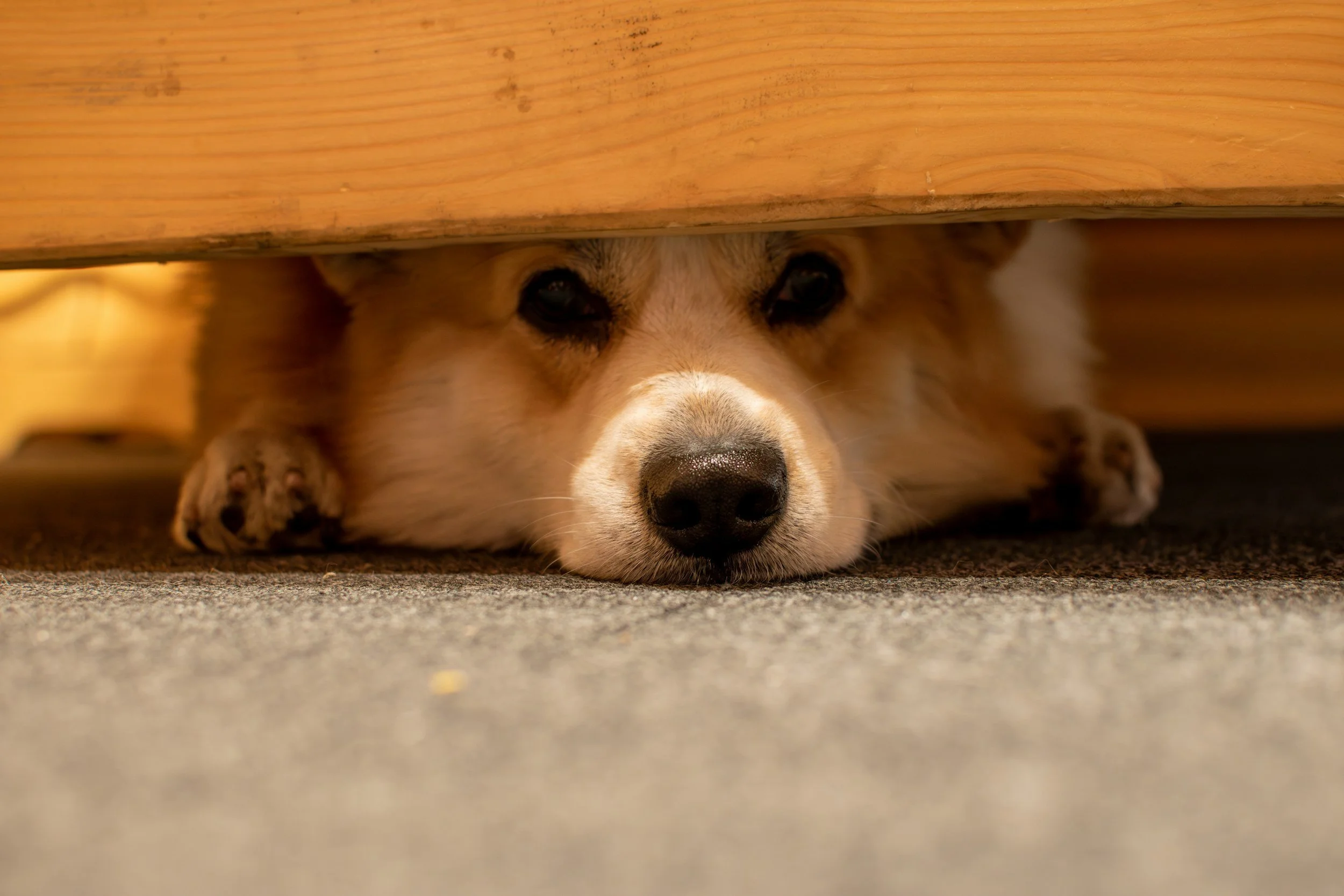
It is important to remember that the behaviours we see in a rescue setting are often just survival mechanisms. Once an animal is adopted, their path can take one of two turns:
The Vanishing Act: For many pets, the problematic behaviours seen in the kennel or cattery—such as pacing, over-grooming, or barrier reactivity—simply disappear once they are in a stable home environment. These were "coping strategies used to handle the stress of the rescue, and once the stressor is gone, the behaviour is no longer needed.
The Need for Patience: Other animals may carry these anxieties with them into their new life. These pets need an understanding home willing to show them, through consistency and kindness, that the world isn’t out to get them. They may seem shut down initially as they decompress from the institutional routine they grew accustomed to.
Every animal is an individual, and while the rescue environment is taxing, the right home can be the ultimate cure for kennel stress.
How You Can Help: My Rescue Pledge
I am passionate about ensuring that every rescue animal has the best chance at a successful adoption. This is why I have launched my Rescue Pledge.
I want to offer my behavioural expertise to rescues free of charge, helping the most difficult long-stay residents become more adoptable. But I can't do it alone.
By donating to the pledge, you directly fund my time to work with local rescues, providing training and rehabilitation for cats and dogs who need it most—at no cost to the rescue itself.
Just Adopted? Let’s Make the Transition Smooth
If you have recently welcomed a rescue cat or dog into your home, congratulations! You’ve done a wonderful thing. However, please remember that the decompression period can take weeks or even months.
If your new family member is struggling with:
Anxiety or hiding
Reactivity toward others
Difficulty settling or pacing the home
House-training regressions
I am here to help.
I offer specialised rescue consultations and training sessions designed to help your new pet feel safe, secure, and understood in their new environment.