The Doodle Dilemma: Why Genetics are Only Half the Story
-
The Science: A 2026 Royal Veterinary College (RVC) study in PLOS One found that Doodles (especially Cockapoos) are significantly more likely to show undesirable behaviours like aggression, excitability, and separation anxiety than their purebred parents.
The Myth: The "best of both worlds" marketing often masks a high-stakes genetic lottery.
The Struggle: High-energy working heritage + "low maintenance" expectations = bored, frustrated dogs and overwhelmed owners.
The Takeaway: Behaviour is a mix of nature and nurture. Success requires realistic expectations, ethical breeding, and professional training—not just "cute" looks.
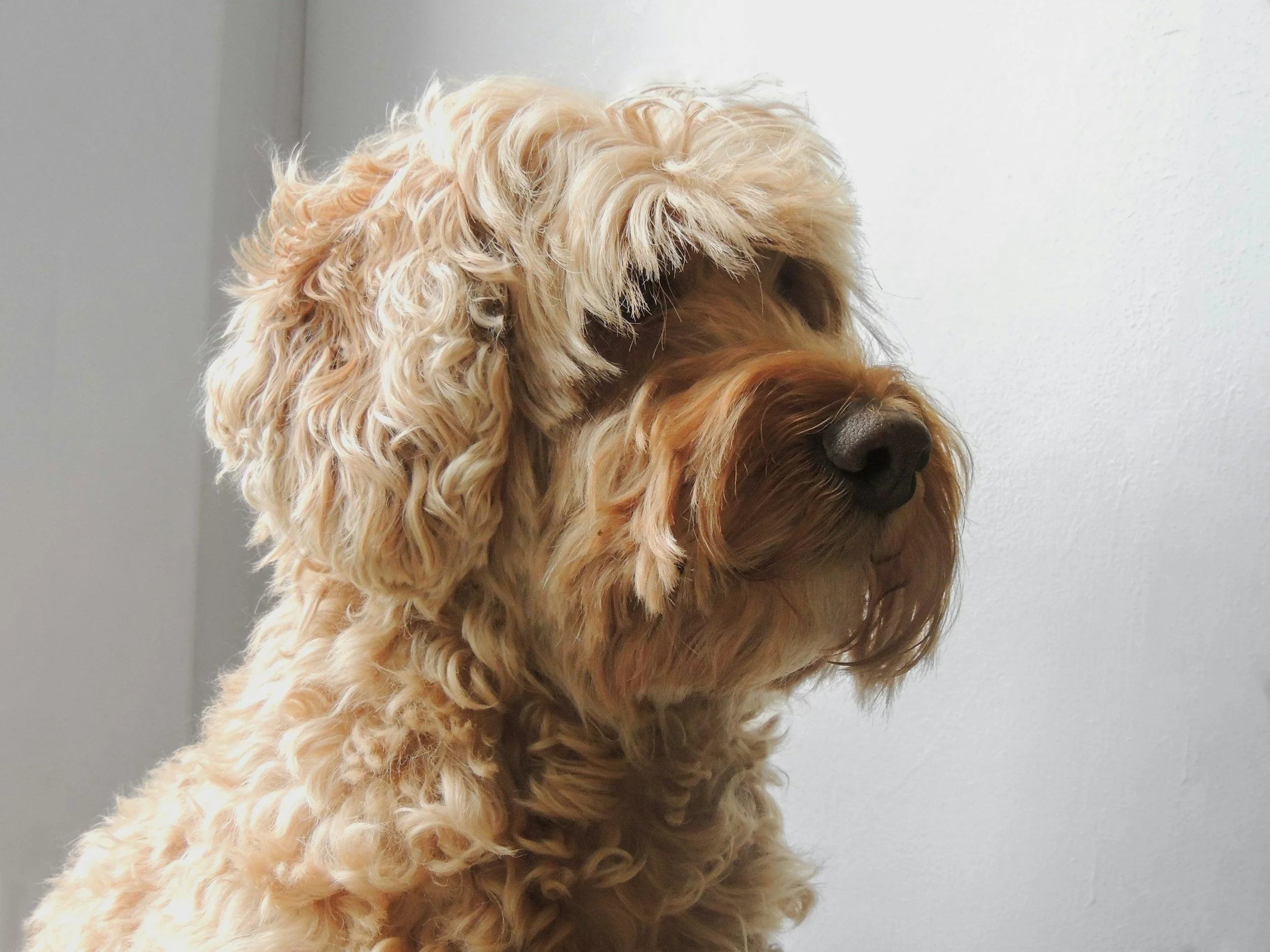
A recent study from the Royal Veterinary College (RVC) published by PLOS One, has made waves in the dog world, suggesting the ‘Doodle’ mixes and ‘Designer’ breeds are more likely to exhibit behaviour issues compared to their purebred parents. While science provides a crucial piece of the puzzle, genetics aren’t the whole story. As someone with experience in boarding, rescue, and training, I believe we need to talk about what’s happening on the other side of the lead.
The Genetic Lottery vs. High-Octane Heritage
When you cross two highly intelligent, high-energy working breeds - like a Cocker Spaniel and a Poodle - you aren’t necessarily getting a chill family pet. You could be getting a dog that has been bred for purpose…without that purpose. While Poodles have drifted towards companionship, many Spaniels and Labs still carry intense working drives. In fact, the RVC Doodle Study 2026 specifically highlighted that Cockapoos often show higher levels of excitability and even aggression than their parent breeds. You aren't just getting the Poodle’s intelligence; you’re often getting the Spaniel’s intense need for a "job."
In any litter, genetics is a lottery. You might get a ‘couch potato’ Poodle personality, or you might get a working-line Spaniel that wants to bounce off the ceiling. The problem arises when these dogs are sold to first time owners as “low maintenance” or “easy to train”.
The reality? No dog is “easy” if you don’t put the work in. High intelligence often means a god that gets bored easily - and a board dog is a destructive or reactive dog.
The “Best of Both Worlds” Myth
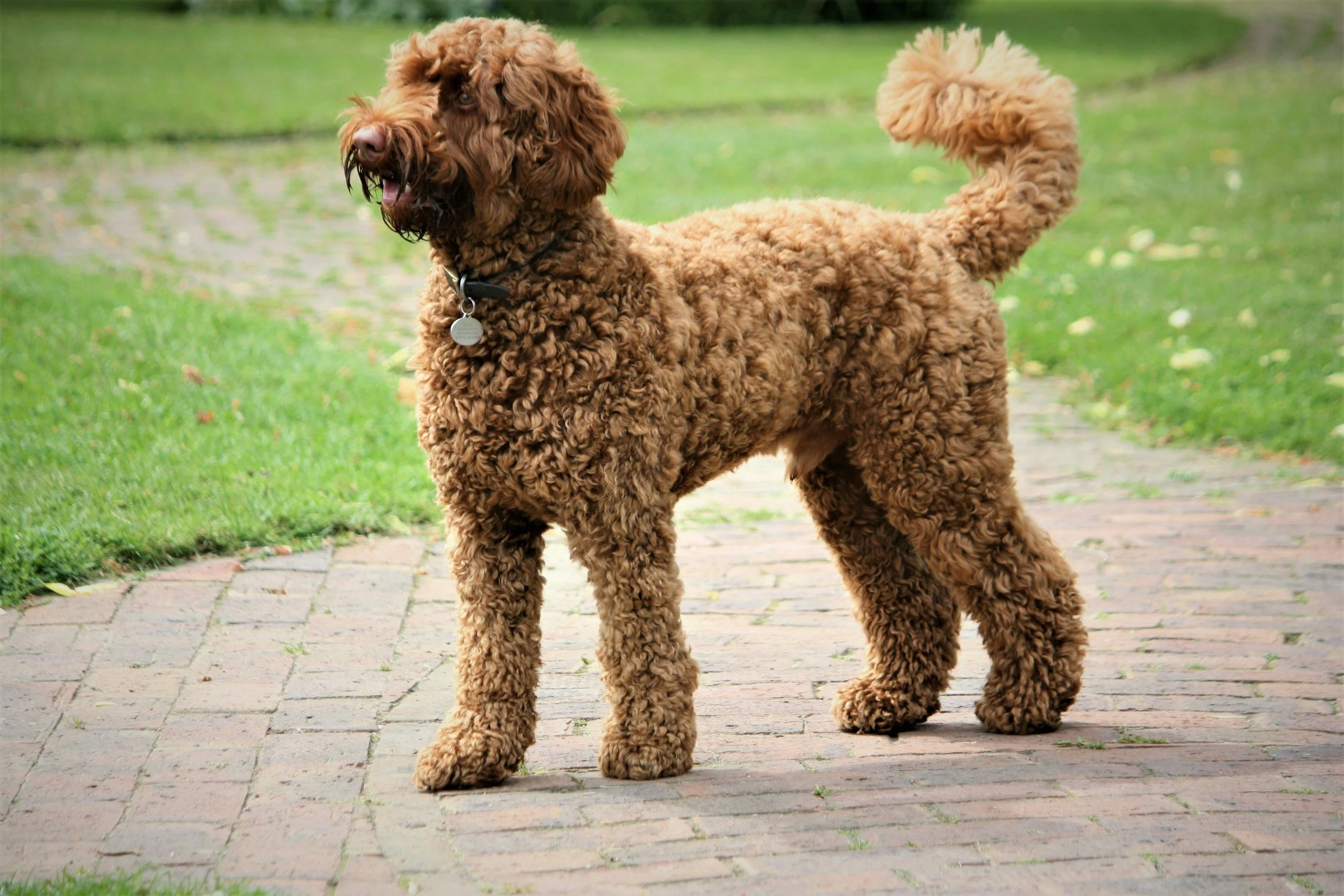
Backyard breeders love the “best of both worlds” sales pitch. They claim every puppy will inherit the best traits of both parents with zero downsides. News flash: That’s not how genetics work. You are just as likely to get the most challenging traits of both breeds combined.
Because of their massive popularity, Doodles have become a magnet for dodgy breeders prioritising profit over the mental and physical stability of the pups. When you combine high-stakes genetics with a lack of breeder vetting, you end up with a genetic lottery that is increasingly difficult to win.
The Grooming Crisis
We also need to talk about the coats. Doodles are frequently marketed as hypoallergenic and easy-care, but their coats are actually some of the most high-maintenance in the canine world. We’ve reached a point where people struggle to maintain a low-ish maintenance Spaniel coat, yet we’ve decided to cross everything with Poodles - arguably the most labour-intensive coat type there is. This leads to matted dogs, stressed owners and an industry of groomers working overtime to fix the “designer” fallout.
Nature, Nurture and the Covid Complication
Ultimately, this brings us back to the age-old debate of Nature vs. Nurture. Genetics certainly play a role, but even a “genetically difficult” dog can become a stable member of society in a balanced home with consistent training.
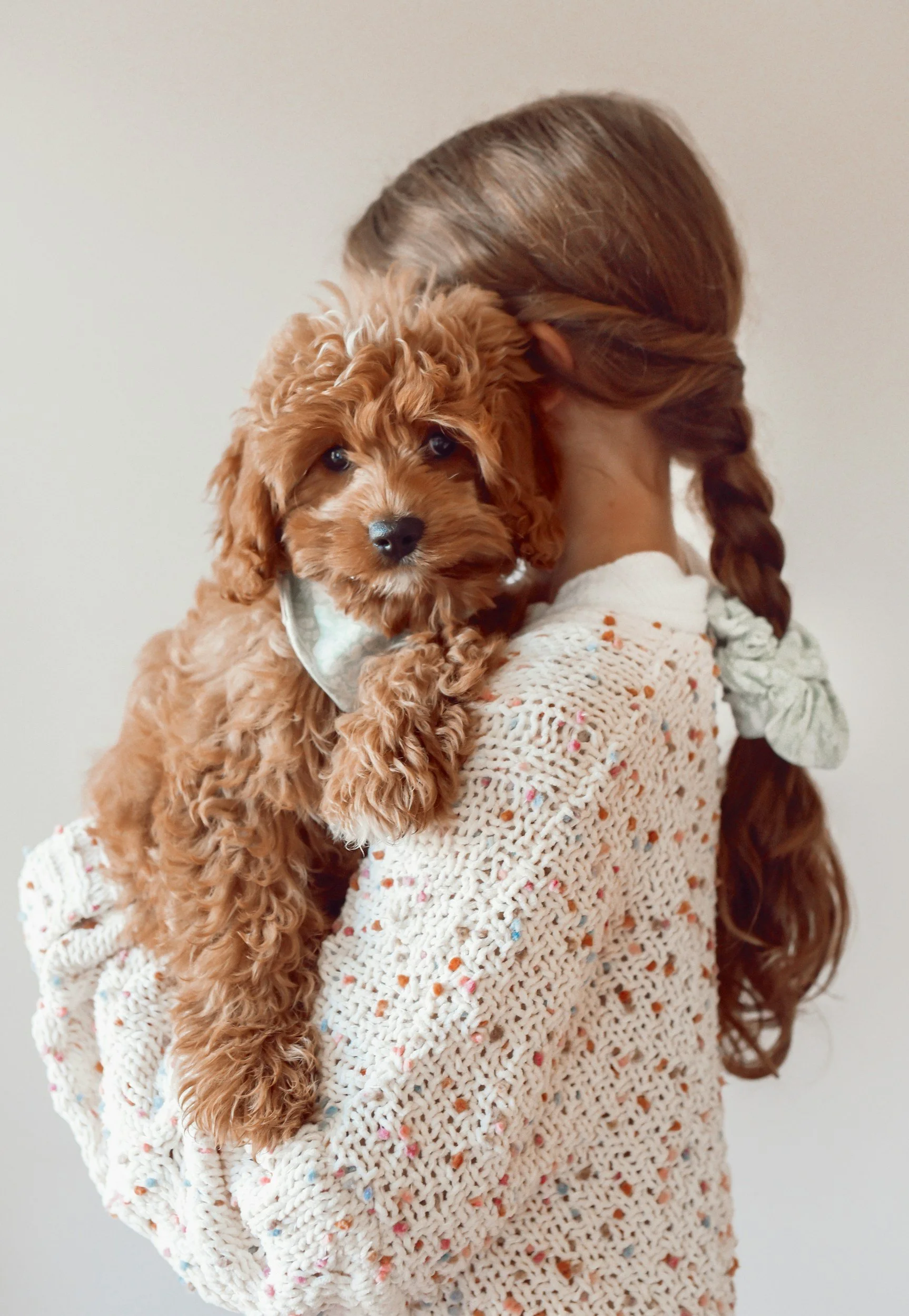
Unfortunately, many Doodles are sold as “turnkey” pets. First-time owners - many of whom brought dogs home during the Covid Lockdown - were never taught how to handle a high-energy mix or how to prevent separation anxiety.
It’s not the owners fault for not magically being experts, but it is the fault of the breeders who fail to vet homes or provide realistic expectations.
The Takeaway
A reputable breeder has a waitlist and vets you just as hard as you vet them. A hobby or backyard breeder just wants the puppies out to make room for the next litter. Until we stop treating these dogs like fashion accessories and start respecting their heritage as working animals, the behavioural issues cited in these studies aren’t going anywhere.
Don’t Navigate the "Doodle Dilemma" Alone!
Whether you’re researching your first puppy or currently living with a Doodle who’s "bouncing off the walls," I’m here to help. These dogs aren't "bad"—they are often just misunderstood and under-stimulated.
Need Hands-On Help? If you’re struggling with separation anxiety, excitability, or reactivity, let’s get a plan in place. Fill Out My Training Booking Form and let's turn things around for you and your dog.
Stay in the Loop: Subscribe for more straight-talking advice on dog behaviour, training myths, and industry news.
Frequently Asked Questions
~
Frequently Asked Questions ~
-
While they are "smart," their high energy and potential for excitability can be a lot for a beginner. They require a significant commitment to training and mental stimulation.
-
The study found that Doodles often scored higher for "undesirable" behaviours like non-social fear and separation anxiety compared to their purebred ancestors.
-
Not necessarily, but they are often sold to owners who aren't prepared for the work involved, leading to a higher rate of reported behavioural struggles.