This post contains affiliate links. If you make a purchase through these links, I may earn a small commission at no extra cost to you. I only recommend products I genuinely use and love!
It’s a scenario many cat owners know all too well: the moment the cat carrier comes out of the closet, your cat vanishes. By the time you arrive at the vet, your cat is terrified, you are covered in scratches, and the appointment hasn't even begun yet.
Because cats are masters at hiding illness and find clinic visits incredibly stressful, many don't get the regular medical care they need. But it doesn't have to be this way!
As a behaviour consultant, it's my job to look at the world through your cat's eyes. Here is how you can systematically reduce your cat's fear, anxiety, and stress to ensure a smooth, successful vet visit.
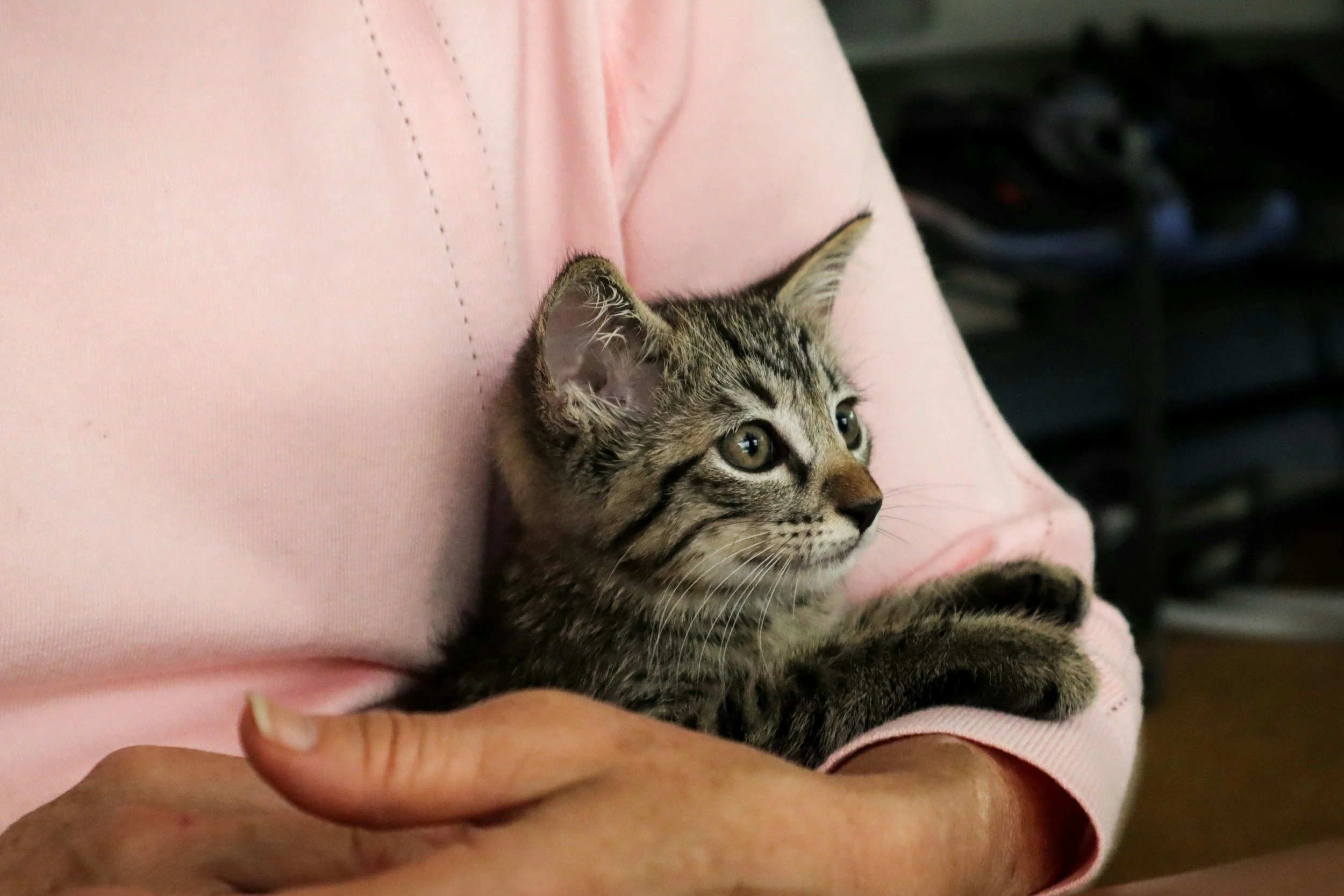
Upgrade the Carrier Experience
The stress of a vet visit usually starts at home. If the carrier only appears right before a scary car ride, your cat will immediately view it as a trap.
To fix this, keep the carrier out in your living space permanently. Place a cosy blanket inside and routinely toss high-value treats, catnip, or favourite toys into it so your cat can explore it on their own terms.
Why this works: This transforms the carrier from a scary box into a safe, familiar piece of furniture where your cat actively chooses to rest and nap.
Secure the Car Ride
Cats love stability, and the motion of a car ride can be incredibly disorienting and frightening for them.
Instead of buckling the carrier onto a passenger seat where it can tilt and slide, place it on the floor behind the front seats. This is the most stable, secure spot in the vehicle. Additionally, cover the top and sides of the carrier with a light towel to block out the scary, fast-moving visual stimuli outside.
Bring Lickable Jackpot Treats
Cats are rarely motivated by dry biscuits when they are stressed, but liquid or high-moisture treats are an absolute game-changer. Pack a few tubes of lickable cat treats (like Weebox Lick-e-lix) or a little tin of tuna.
Why it works: Licking is a naturally self-soothing behaviour for cats. Squeezing a lickable treat onto the exam table or a tongue depressor gives your cat a powerful, positive distraction during the physical exam.

Keep Your Cat Elevated
In the wild, cats seek high ground to feel safe from predators. Plonking a cat carrier on the clinic floor where strange dogs can walk up and sniff them is a recipe for a feline panic attack.
When you arrive at the clinic, wait in the car if possible. If you must go inside, keep the carrier covered with your towel and place it on a chair, a counter, or your lap. Never set the carrier on the floor.
Let Them Acclimate to the Exam Room
Cats need time to assess a new environment before they feel safe. A sudden grab out of the carrier can trigger defensive aggression.
Once you are in the exam room, open the carrier door but do not force your cat out. Let them step out at their own pace. If you know your cat wont want to come out, invest in a carrier which the top can be opened or removed so they can stay in the comfort zone whilst being examined.
6. Practice Cooperative Care Handling at Home
Cats often find vet visits stressful because a stranger is touching them in sensitive or unusual places. You can prepare them for this by incorporating gentle handling into your daily routine.
Practice lifting your cat’s lips to check their teeth, holding their paws, looking in their ears, and gently lifting their tail. Follow each action with a high-value treat or a jackpot of rewards to build a positive association.
Why it works: By teaching your cat that body handling always predicts wonderful things, the vet's physical exam will feel like a familiar, rewarding game rather than a threat.
Need Some Help?
Many pets and owners struggle with the stress of a vet visit, but you don’t have to do it alone. I can help guide you through the desensitization process and build your cat's confidence so that veterinary care is no longer a source of anxiety for either of you.
Disclaimer: Caring About Paws is a participant in the Amazon Services LLC Associates Program, an affiliate advertising program designed to provide a means for sites to earn advertising fees by advertising and linking to Amazon.co.uk. As always, please consult with your veterinarian before introducing new chews or treats to your dog’s diet.