We love our dogs, and we want to keep them healthy. But for many pups, a trip to the vet clinic ranks near the top of the list of things they’d rather avoid. The good news? A little preparation goes a long way.
Whether it’s a routine check-up or a specific health concern, preparing your dog before you walk into the vets can drastically reduce their anxiety - and yours!
Here is your ultimate checklist to prep your pup for a stress-free vet visit.
Burning off Excess Energy
A hyperactive dog is often an anxious dog. Before you head to the clinic, try to tire them out a bit. Take a long walk, play a game of fetch, or do some mental enrichment (such as training or a treat puzzle) about an hour before your appointment.
Why it helps: A physically and mentally satisfied dog has less nervous energy to fuel a panic response in the waiting room. The key is to make sure they are not overtired, which can have the opposite effect and lower their frustration tolerance.
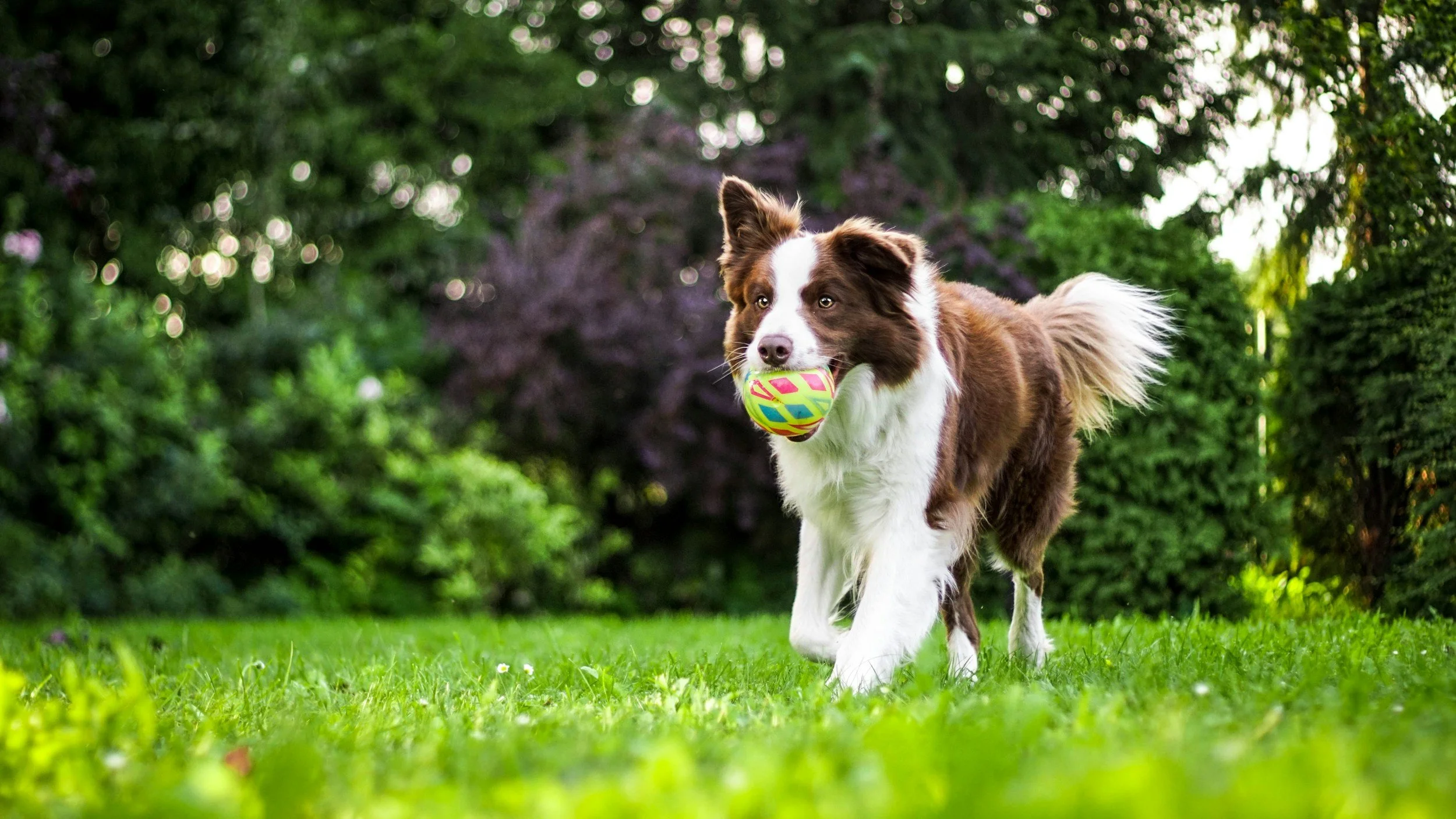
Pack the good treats
Don’t just bring kibble or everyday biscuits. You need high-value, irresistible rewards to help change your dog's emotional response to the environment.
Bring some squeezy cheese, freeze-dried liver or bits of hot dogs (or whatever your dog simply won’t say no to). If you bring your dog slightly hungry to a vet visit as well this can help to keep their focus on the food rather than the stress-inducing surroundings.
Why it works: Feeding your dog their favorite food during the exam helps to build a positive association with the clinic and distracts them from minor discomforts. (Note: This technique should not be used if the vet has advised fasting due to a procedure being undertaken.)
Practice Cooperative Care Handling at Home
Dogs often panic at the vets because strangers are touching them in sensitive or unusual places.
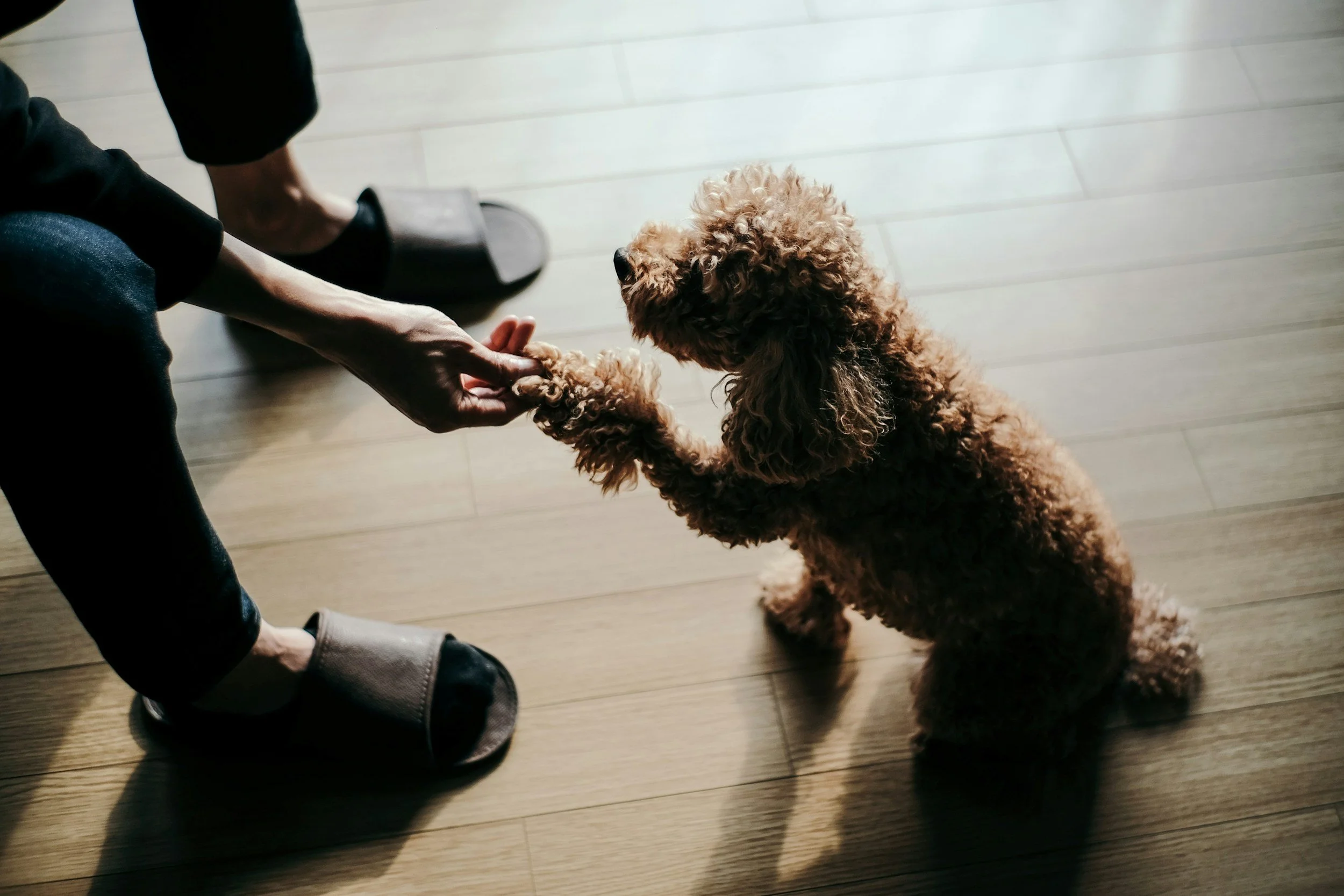
Incorporate gentle handling into your daily routine. Practice lifting your dog’s lips to check their teeth, holding their paws, looking in their ears, and gently lifting their tail. Follow each action with a high-value or jackpot of low-value treats to build that positive association.
Why it works: By teaching your dog that body handling always leads to wonderful things (like tasty treats), the vet's physical exam will feel like a familiar rewarding game rather than a threat.
Skip the Waiting Room Chaos
The waiting room is a melting pot of overwhelming noise, strange smells and stress hormones. It's where many dogs hit their stress threshold before the vet even enters the picture.
To bypass the chaos:
Wait in the car: Check in with reception to let them know you have arrived, then wait outside or in your car until the vet is ready for you.
Keep your distance: If you must wait inside, use a short lead to keep your dog close, choose a seat away from other pets, and let them hide under your chair if it makes them feel safer.
Advocate for Your Dog’s Comfort
You know your dog's behaviour better than anyone. Don’t be afraid to speak up for them!
If you know your dog handles exams better on the floor rather than the table, let the vet know.
If your dog is terrified of the scale, ask if they can be weighed at the end of the visit or if you can step on the scale with them and then subtract your weight.
Talk to your vet and see what accommodations can be made to help your pet feel more comfortable. Many vets will be open to moving things around or adjusting because a dog that is comfortable is going to be more cooperative and less of a bite risk making everything easier and safer for all involved.
Introduce Muzzle Training Ahead of Time
Muzzles aren't just for "aggressive" dogs, and training your dog to wear one isn't scary. Even the gentlest dog can bite if they are in severe pain or highly threatened. Teaching your dog to happily wear a muzzle before an emergency occurs is a lifesaver. It ensures that if they ever need to wear one for safety, the muzzle itself won't add any extra stress to an already difficult situation.

Utilise Crate Training for Peace of Mind
Crates are invaluable tools when introduced positively. If your dog views a crate as a safe, relaxing space, they will be much better prepared if they ever need to stay in a hospital kennel for day surgery or overnight monitoring. A stressed dog takes longer to heal, and high stress levels can even compromise the immune system. Preparing them for a kennel stay now protects their physical recovery later.
Need some help?
If you and your dog struggle to cope with the stressors of vet visits, you don’t have to just "get through it" every year. We can work together to build your dog's confidence, modify their emotional responses, and overcome veterinary anxiety.